
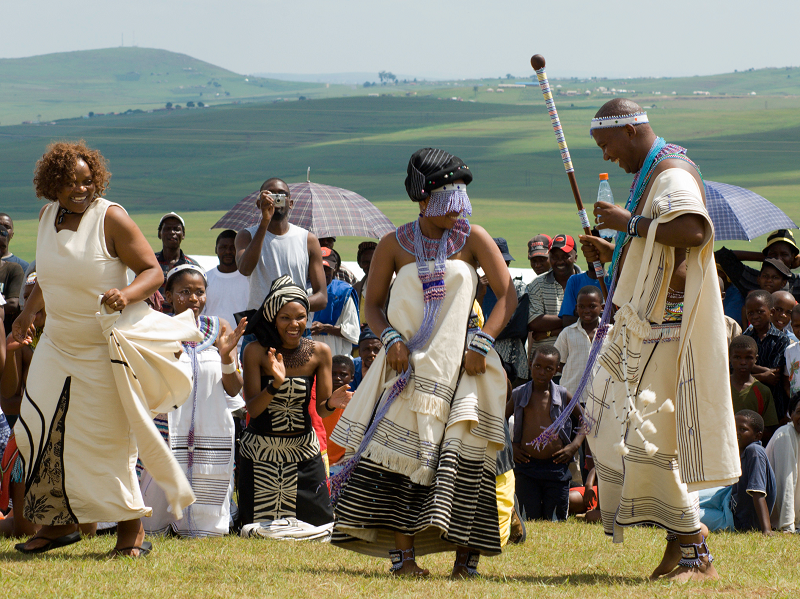
In South Africa, the recognition of customary marriages is a significant aspect of the country’s legal framework, reflecting the nation’s rich cultural diversity and commitment to recognizing a variety of traditional practices. Customary marriage is defined by the customs and traditions of the South African communities involved, and it holds legal recognition under the country’s laws, provided certain requirements are met.
What is Customary Marriage?
A customary marriage is a marriage conducted according to the customs and traditions of a particular community in South Africa. These customs, which differ between various ethnic groups, include traditional rites such as lobola (bride price), ceremonies, and family consultations. While the specifics of these practices can vary widely, the core principle is the recognition of a union between two individuals according to the customary norms of a specific group.
Historically, customary marriages were not legally recognized under the general law in South Africa. However, the South African Law and Constitution have evolved to ensure that customary marriages are given equal legal standing to other forms of marriage, reflecting the multicultural and multi-ethnic makeup of the country.
Legal Framework for Customary Marriage
The key legal framework for customary marriage in South Africa is the Recognition of Customary Marriages Act 120 of 1998, which came into effect in 2000. The Act seeks to provide legal recognition and clarity regarding the rights and responsibilities of spouses in customary marriages. It was an important step toward ensuring that marriages performed according to traditional practices would be formally acknowledged by the state and governed by the same protections as civil marriages.
Key Requirements for a Customary Marriage
For a marriage to be recognized under South African law as a customary marriage, certain conditions must be met:
- Customary Process: The marriage must follow the customs and traditions of a particular community. This typically includes ceremonial rites and practices such as the payment of lobola, which is an important aspect in many communities, though not universally mandatory. Some communities may emphasize other forms of bride wealth or symbolic acts.
- Consent of the Parties: Both parties must consent to the marriage, and the union should be entered into voluntarily. In practice, this involves consultation between the families of the bride and groom to ensure mutual agreement.
- Age Requirement: Both parties must meet the minimum legal age for marriage. According to the Marriage Act and the Children’s Act, individuals must be at least 18 years old to marry, although in certain circumstances, a person aged 16 or 17 can marry with the consent of a parent or guardian and the approval of a court.
- Monogamy or Polygamy: The Recognition of Customary Marriages Act allows for both monogamous and polygamous marriages. Polygamy is practiced among certain communities, and the Act provides for the registration of marriages involving multiple wives. However, all marriages must adhere to the rules and practices of the community concerned.
- Registration of Marriage: For a customary marriage to be legally recognized, it must be registered with the Department of Home Affairs. Registration is an important step to ensure that the marriage has legal standing and that the spouses have access to the rights and benefits afforded under South African law. Failure to register a marriage does not automatically invalidate the marriage, but it does prevent the spouses from accessing certain legal protections.
Rights and Responsibilities of Spouses
The Recognition of Customary Marriages Act provides certain rights and responsibilities to spouses in a customary marriage:
- Equal Rights: Both spouses in a customary marriage are entitled to equal rights regarding the marriage. This includes rights related to property, inheritance, and the maintenance of the marriage.
- Property Regime: The default property regime for customary marriages is out of community of property, unless the parties agree otherwise. However, spouses can agree to a different arrangement, such as a marriage in community of property, through a written antenuptial contract.
- Divorce and Dissolution: As with other forms of marriage, a customary marriage can be dissolved. In cases of divorce, South African family law applies, and issues such as the division of property, maintenance, and child custody are decided in accordance with the law.
- Inheritance Rights: Spouses in a customary marriage have inheritance rights, but the application of these rights can sometimes be complex, particularly in cases involving polygamous marriages. If the marriage is not registered, the surviving spouse may face challenges in asserting their inheritance rights.
Challenges and Criticisms
While the legal recognition of customary marriages represents a step forward in the protection of cultural practices, there have been several challenges and criticisms over the years:
- Polygamy: Polygamous marriages, although legal under the Act, have been a point of contention. Critics argue that polygamy is often associated with gender inequality and can sometimes lead to exploitation or mistreatment of women. However, proponents argue that polygamy is a traditional practice that provides social and economic stability in certain communities.
- Implementation of Registration: While the law requires that customary marriages be registered, the registration process can be cumbersome and, at times, inaccessible, particularly for individuals living in rural areas. This can result in a situation where people enter into marriages that are not officially recognized, which may limit their ability to access legal protections.
- Gender Equality: Although the law provides for equal rights for both spouses in a customary marriage, gender inequality remains an issue in some communities, where women may still be expected to submit to patriarchal norms that undermine their autonomy and equality within the marriage.
- Lack of Awareness: In some communities, there is a lack of awareness regarding the importance of registration and the legal benefits of recognizing a customary marriage. This lack of education can result in individuals not fully understanding their rights under the law.
Conclusion
Customary marriage in South Africa is an important cultural institution that has been given legal recognition under the country’s laws. The Recognition of Customary Marriages Act has paved the way for customary marriages to be formally acknowledged and for spouses to access legal rights and protections, much like those in civil marriages. However, challenges remain, particularly around the registration process, the practice of polygamy, and ensuring gender equality within these unions.
Despite these challenges, the legal recognition of customary marriages is a vital step towards promoting cultural diversity, inclusivity, and the protection of individual rights in South Africa. It reflects the country’s commitment to creating a legal system that respects and upholds the rights of all its citizens, irrespective of cultural practices.